Decoding Dyslexia Blog
This blog amplifies the voices of Kansas families, shares evidence-informed insights, and highlights advocacy efforts focused on improving outcomes for students with dyslexia. Through stories, data, and policy conversations, Decoding Dyslexia Kansas works to ensure families are informed, supported, and empowered—and that systems are aligned to meet the needs of every learner.

Literacy Day at the Capitol
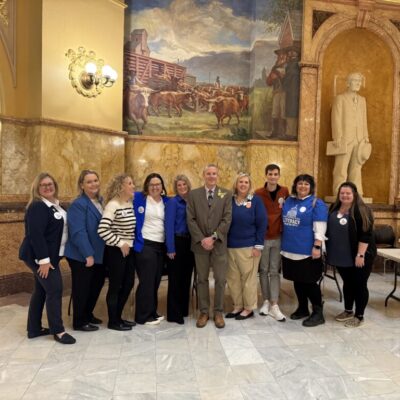
On January 20, families, educators, advocates, higher education partners, and policymakers from across Kansas gathered at the Kansas State Capitol in Topeka for Literacy Day at the Capitol. For Decoding Dyslexia Kansas, the day was centered on one core purpose: ensuring that the voices of families of students with dyslexia are heard and acted upon.
Throughout the day, parents and caregivers shared personal stories about navigating literacy instruction, evaluations, and support systems for their children. While each journey was unique, the themes were strikingly consistent: families are advocating tirelessly, often without clear guidance, and too often without adequate support from the system.
“I’ve learned more about dyslexia from other Decoding Dyslexia parents than I ever did from the school system,” shared one Kansas parent.
These experiences are reinforced by findings from a recent Kansas parent study examining family experiences related to literacy and dyslexia:
- 69.8% of Kansas families report spending more than $2000.00 of their own money on private supports annually, with tutoring and private evaluations being the most frequent expenditures.
- Only 54% of parents report knowing about and are able to locate Kansas’ dyslexia handbook, despite its importance as a state resource for families.
- 74.5% of families reported being dissatisfied with their child’s literacy instruction, pointing to widespread concerns about instructional quality and consistency.
Taken together, these data highlight a troubling reality: too many families are forced to navigate literacy challenges alone, relying on personal resources and informal networks to fill gaps left by the system.
Literacy Day at the Capitol elevated the need for family-centered supports that go beyond information-sharing. Families need clear, accessible guidance, transparent communication from schools, and meaningful partnerships that recognize parents as essential members of the educational team. When families are supported, advocacy becomes collaborative rather than adversarial, and outcomes improve for students.
Equally critical is the need for specialized training for educators who work with students with dyslexia. Teachers, interventionists, special educators, and administrators must be equipped with deep knowledge of evidence-aligned, structured literacy instruction and a strong understanding of how dyslexia affects learning. Without this preparation, even well-intentioned systems fall short.
Literacy Day reinforced a powerful truth: dyslexia is not a barrier to success when students receive the right instruction, at the right time, from well-prepared educators. But achieving this requires intentional policy, sustained professional learning, and systems designed to support both educators and families.
Decoding Dyslexia Kansas is deeply grateful to the parents who bravely shared their stories, the educators and advocates who stood alongside them, and the legislators who took time to listen and engage. Literacy Day at the Capitol was not just about awareness; it was about accountability and momentum.
As we move forward, we remain committed to advocating for policies and practices that ensure:
- Families are informed, supported, and empowered
- Educators receive specialized training aligned to the needs of students with dyslexia
- No Kansas family feels they must navigate literacy challenges alone
Literacy Day at the Capitol was one step forward, but the work continues, together.

Heading Level 4
Certain elements will be centered on mobile devices and tablets and aligned to the left or right on a desktop display.

Heading Level 4
You can adjust the layout for each Block at three different device widths – desktop, tablet, and mobile.